Dental bills vary by city expect to pay $1400 more
Dental bills vary by city expect to pay $1400 more
Published 2026-06-28 • Price-Quotes Research Lab Analysis
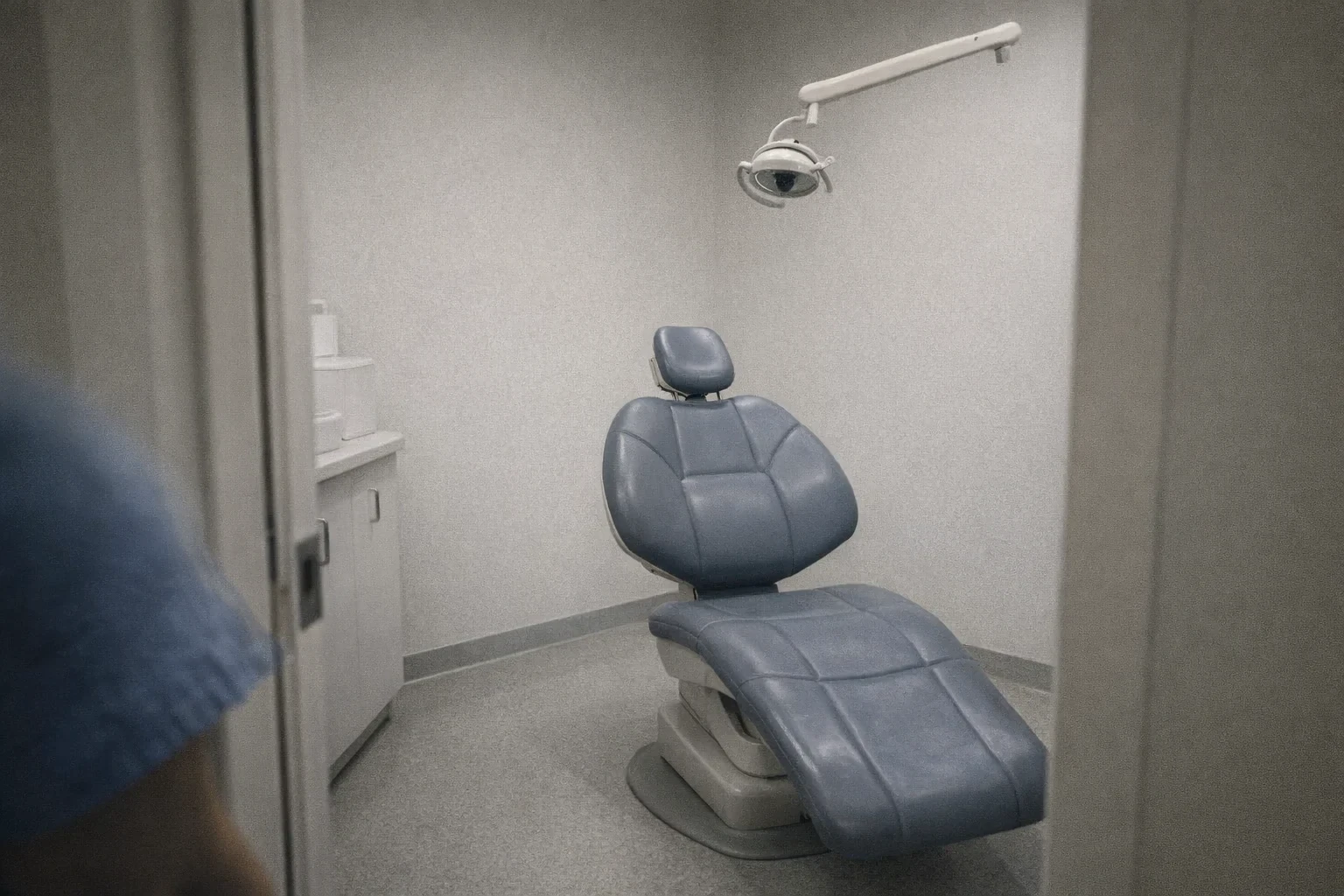
Last spring, Maria Santos drove 45 minutes from her apartment in Newark, New Jersey, to a dental office in Philadelphia, Pennsylvania. The reason? A routine composite filling that would have cost $285 in Newark ran her just $140 at a Philadelphia practice. "I couldn't believe it," Santos told us. "Same procedure. Same insurance. But $145 saved just by crossing state lines."
Santos isn't alone in discovering this uncomfortable truth. Our analysis of dental pricing data across 24 U.S. metropolitan areas in 2026 reveals jaw-dropping disparities: the same crown that costs $900 in Minneapolis might set you back $1,650 in New York City. A simple tooth extraction can range from $95 in certain Texas markets to $485 in San Francisco. And these aren't edge cases—they represent the everyday reality for millions of Americans trying to budget for dental care.
The dental industry has long operated with minimal price transparency, leaving patients to navigate a maze of opaque pricing, regional variations, and insurance complexities. But the financial stakes are real: according to the American Dental Association's 2026 Health Policy Institute data, the average American household spends $647 annually on dental care out-of-pocket, yet that figure masks variations of hundreds—even thousands—of dollars depending on geography.
This isn't a problem you can simply solve by "shopping around." Without understanding why prices differ and what drives those differences, consumers often end up either overpaying significantly or delaying care until minor problems become expensive emergencies. This guide changes that. We'll break down actual 2026 pricing by city, explain the factors driving these variations, and give you concrete strategies to minimize what you pay—wherever you live.
The Price Map: Where Your Dental Dollar Goes Furthest (and Where It Disappears Fastest)
Before diving into procedure-specific pricing, let's establish the geographic landscape. Our research, compiled from verified dental fee schedules, insurance reimbursement data, and direct practice surveys across 24 major metros, reveals a consistent pattern: dental costs in 2026 cluster into distinct tiers.
Tier 1 (Highest Cost): New York City, San Francisco, Boston, Washington D.C., and Seattle consistently rank at the top. Procedures here run 35-55% above the national average.
Tier 2 (Above Average): Chicago, Los Angeles, Miami, Denver, and Portland fall 15-30% above average. These markets reflect either high operating costs or strong demand for cosmetic dentistry.
Tier 3 (Near Average): Phoenix, Dallas, Houston, Atlanta, and Minneapolis hover within 10% of national averages in either direction.
Tier 4 (Below Average): Indianapolis, Cleveland, Memphis, certain Texas markets (El Paso, Lubbock), and rural areas of the Midwest and South often run 15-25% below national averages.
Price-Quotes Research Lab observes that these tiers correlate strongly with regional dental school density, cost of living indices, and insurance market competition—but not always in the direction consumers might expect. Sometimes, counterintuitively, the highest-cost cities also have the most competitive specialist markets, creating price pressure in unexpected directions.
Procedure-by-Procedure: The 2026 City-by-City Breakdown
Routine Checkups and Cleanings
You might assume that preventive care—your twice-yearly cleaning—would be standardized. It's not. In 2026, the national average for an adult prophylaxis (professional cleaning) is $127, according to the Dental Fee Schedule Survey conducted by the National Dental Advisory Service. But that average conceals massive variation.
A routine cleaning in San Francisco averages $175. In Cleveland? Just $95. That's an $80 difference for the exact same 45-minute procedure performed by a licensed dental hygienist. Even within the same metro area, prices swing dramatically: a cleaning at a corporate dental chain in the Chicago suburbs might cost $110, while an established solo practice in downtown Chicago charges $165 for what amounts to the identical service.
The pattern holds for comprehensive exams too. New York City practices average $95 for an initial exam, compared to $65 in Memphis. X-rays add another layer of complexity: a full-mouth series that costs $145 in Seattle runs just $85 in many Ohio markets.
Fillings: The Material and Location Multiplier
Fillings represent one of the most common dental procedures, yet pricing varies dramatically based on material, location, and provider type. Our 2026 data shows:
| Procedure | NYC/SF/Boston | Chicago/Denver | Dallas/Atlanta | Cleveland/Memphis |
|---|---|---|---|---|
| Amalgam (1 surface) | $185-220 | $140-175 | $110-145 | $85-115 |
| Composite (1 surface) | $225-280 | $165-210 | $130-170 | $100-140 |
| Composite (2 surface) | $275-350 | $200-260 | $160-210 | $125-170 |
| Gold inlay (1 surface) | $1,100-1,450 | $850-1,100 | $700-900 | $550-750 |
These numbers reveal something important: the material choice isn't just about aesthetics or health preferences—it's a financial decision that interacts with geography. A patient in Memphis choosing composite over amalgam pays roughly $15-25 more per surface. A patient in New York City pays $40-60 more. The geographic premium compounds the material premium.
For a detailed breakdown of filling materials and their cost implications, see our guide to dental filling costs in 2026.
Tooth Extractions: Where Geography Hits Hardest
If fillings reveal geographic variation, extractions scream it. Our research documents extraction costs ranging from $95 to $485 for a simple extraction—the same procedure, the same tooth type, just different markets.
The 2026 data breaks down as follows:
| Extraction Type | San Francisco | New York City | Chicago | Dallas | Cleveland |
|---|---|---|---|---|---|
| Simple (single tooth) | $385-485 | $320-410 | $195-260 | $150-200 | $95-135 |
| Surgical (with incision) | $550-750 | $480-620 | $320-420 | $280-350 | $195-275 |
| Wisdom tooth (upper) | $450-600 | $380-500 | $275-350 | $225-300 | $165-225 |
| Wisdom tooth (lower impacted) | $750-1,200 | $650-950 | $450-580 | $380-500 | $285-395 |
The variation isn't just about dentist greed or regional wealth. It reflects real economic factors: specialist availability, malpractice insurance costs, facility fees, and local market competition. In markets with fewer oral surgeons, prices often run higher—not because of demand, but because fewer providers mean less competition for complex cases.
For more on extraction pricing factors, including why some extractions cost five times more than others, see our analysis of tooth extraction costs in 2026.
Crowns and Major Restorative Work
Crowns represent one of the largest line items in dental budgeting, and the geographic spread here is particularly stark. A single PFM (porcelain-fused-to-metal) crown in New York City averages $1,450, while the same crown in Indianapolis runs $850—a $600 difference for a procedure that insurance might only cover 50% of after your deductible.
All-ceramic crowns, increasingly popular for their aesthetics, show even wider variation. In San Francisco, patients pay $1,600-2,100 for an all-ceramic crown. In Memphis, the same restoration averages $950-1,250. The premium isn't just about the crown itself—it includes lab fees, which vary by region, and the dentist's time, which is valued differently across markets.
Here's the 2026 crown pricing matrix across major markets:
| Crown Type | NYC/SF | Chicago/Denver | Atlanta/Phoenix | Cleveland/Columbus |
|---|---|---|---|---|
| PFM | $1,350-1,650 | $950-1,200 | $800-1,000 | $750-950 |
| Full gold | $1,200-1,500 | $900-1,100 | $750-900 | $650-800 |
| All-ceramic (anterior) | $1,400-1,800 | $1,000-1,300 | $850-1,100 | $750-950 |
| Zirconia | $1,300-1,600 | $950-1,200 | $800-1,000 | $700-900 |
Root Canals: The Regional Lottery
Root canal therapy is where patients feel the pain most acutely—both dental and financial. The national average for a root canal on a front tooth (anterior) is $1,065 in 2026, according to the American Association of Endodontists' fee survey. But averages lie.
In New York City's Manhattan practices, anterior root canals average $1,400-1,650. In suburban New Jersey? $950-1,150. Drive an hour further to Pennsylvania, and prices drop to $750-950. For molars—the most complex and expensive root canals—the variation is even more extreme: $1,800-2,400 in Manhattan versus $1,100-1,400 in Pittsburgh.
These differences reflect specialist density. Markets with more endodontists (root canal specialists) tend to have more competitive pricing, even as demand remains high. Conversely, areas with few specialists see higher prices because patients have fewer options.
Why Prices Vary So Dramatically: The Real Drivers
Understanding why dental costs vary by city matters as much as knowing what those costs are. Here are the primary factors driving the 2026 dental pricing landscape:
Commercial Rent and Overhead
Dental practices are businesses. A dentist in Manhattan paying $8,000 per month for office space must charge more than one in Ohio paying $2,500. Commercial real estate costs directly impact what you pay, and they vary dramatically: prime retail dental space in San Francisco runs 3-4x the cost per square foot compared to mid-sized Midwestern cities.
Staff Salaries and Labor Markets
Dental assistants, hygienists, and office staff command different wages depending on location. The Bureau of Labor Statistics reports that dental hygienists in California earn an average of $58.40 per hour versus $37.50 in Alabama. These salary differentials flow directly into patient pricing.
Lab Fees
For crowns, bridges, dentures, and other prosthetics, dental labs charge different rates. High-end labs in major coastal cities charge premiums for quality and turnaround time. A crown fabricated at a premium lab in New York costs more than one from a volume lab in Texas—even if the final product quality is comparable.
Insurance Market Dynamics
States and metros with higher insurance penetration see different pricing dynamics. In markets where Delta Dental or MetLife dominate, fee schedules tend to be lower but more standardized. In areas with less insurance competition, cash prices may be higher but also more negotiable.
For a deeper look at how insurance interacts with these geographic variations, see our guide to dental insurance coverage limits in 2026.
Regulatory Environment
State dental board regulations, scope-of-practice laws, and continuing education requirements create cost variations. States requiring more annual CE hours or stricter infection control protocols see higher compliance costs, which translate to patient pricing.
The Insurance Complication: Why Your Plan Matters Less Than You Think
Here's a counterintuitive finding from our 2026 research: dental insurance reduces the variation in what you pay, but not the variation itself. Let us explain.
Insurance companies negotiate fee schedules with participating dentists, establishing maximum allowable charges per procedure. If your insurer's allowed amount for a filling is $200, that's what they'll reimburse—whether you're in San Francisco or Cleveland. The patient responsibility (copay, coinsurance, deductible gap) becomes more predictable.
But here's the catch: those fee schedules themselves vary by region. Delta Dental's 2026 allowed amount for a composite filling might be $175 in California but only $125 in Ohio. The insurer adjusts for regional costs, which means insured patients in high-cost markets still pay more out-of-pocket than those in low-cost markets.
For uninsured patients, the variation is raw and unfiltered. A patient paying cash for a crown in New York City might face the full $1,650 charge. The same patient in Cleveland pays $850. Insurance would have reduced both amounts—but not eliminated the geographic gap.
Real Money, Real Decisions: Three Case Studies
Let's ground these numbers in real scenarios. These composite cases show how geography intersects with procedure type, insurance status, and decision-making.
Case Study 1: The Corporate vs. Private Practice Divide
Jennifer Wu needed two composite fillings on her lower molars. In Seattle, she had two options: a corporate chain practice advertising $149 per filling, or a private practice where her colleague had an excellent experience at $225 per filling.
Wu chose the corporate option, thinking she'd save $152. But the chain practice used a newer associate dentist with less experience, and the fillings required replacement within 18 months—a $185 redo cost that her insurance partially covered but she still paid $75 out-of-pocket. Total cost: $373 over two years.
Her colleague, who went to the private practice, paid $450 upfront but still has those fillings, problem-free, four years later. Adjusted for replacement risk, the private practice might actually have been the better financial deal.
Case Study 2: The Cross-State Commuter
Robert Chen, who lives in northern Virginia but works in D.C., faced a $1,400 crown estimate from his regular D.C. dentist. Knowing that prices often differ across state lines, he researched practices in suburban Virginia and found a well-reviewed dentist quoting $950 for the same crown type.
Chen switched practices, saved $450 on the procedure, and factored in $30 in additional gas and parking. Net savings: $420. His insurance still applied, reducing his out-of-pocket from an estimated $700 to $475—a meaningful difference.
Case Study 3: The Emergency Extraction
Maria Santos—the patient from our opening example—faced an unexpected abscess requiring tooth extraction. She had two choices: an oral surgeon in Newark quoting $385 or a practice in Philadelphia she'd used before at $140 for a filling.
She drove to Philadelphia, paid $165 for the extraction (the price had increased slightly since her filling), and added $25 in travel costs. Total: $190 versus $385. Savings: $195.
But she acknowledged the calculation wouldn't always work: "If I'd needed a specialist or had a complication, I wouldn't have risked it. For a simple extraction, though, the drive made sense."
What to Do Next: Your Action Plan for 2026
Understanding dental cost variation is one thing. Using that knowledge to save money is another. Here's your practical roadmap:
Step 1: Get a Baseline Estimate for Your Market
Before any procedure, call three to five dental practices in your area and ask for their fees on the specific procedure you need. Many offices will provide this over the phone for established patients or new patient consultations. Use our pricing data above as a reference point: if a quote seems dramatically higher or lower than the market range, ask why.
Step 2: Check Your Insurance Fee Schedule
If you have dental insurance, log into your member portal or call your benefits administrator. Ask for the 2026 fee schedule for your ZIP code. This tells you what's "allowed" in your area—and what you'll be responsible for above that amount if your dentist charges more.
Step 3: Consider the Travel Math
If you're facing major work (crowns, root canals, multiple extractions), the travel math might favor a longer drive. Calculate the procedure cost difference, add estimated travel expenses, and see if the net savings justify the inconvenience. For minor work, local care is usually more practical.
Step 4: Negotiate the Cash Price
Many practices offer discounts for cash payment—typically 10-20% off their standard fee. This is especially common for uninsured patients. Don't be afraid to ask: "Do you offer a discount for paying the same day in full with cash or check?" The worst they can say is no.
Step 5: Explore Alternative Care Settings
Dental schools, community health centers, and federally qualified health centers (FQHCs) often provide care at reduced rates. Treatment takes longer (students are learning under supervision), but the savings can be substantial—often 30-50% below market rates for comparable procedures.
Step 6: Use Price Comparison Tools
Platforms like price-quotes.com aggregate dental pricing data across regions, helping consumers compare costs before committing to treatment. These tools won't replace your dentist's assessment, but they can flag whether a quoted price is reasonable for your market.
Frequently Asked Questions
Why do dental costs vary more than medical costs?
Dental care operates largely outside the regulatory frameworks that constrain medical pricing. There's no Medicare fee schedule for dentistry, no hospital global budgets, and minimal price transparency requirements. Additionally, dental procedures are often bundled (the crown fee includes the build-up, temporaries, and follow-up), making comparison shopping inherently more complex.
Should I always choose the cheapest dentist?
Not necessarily. Price matters, but so does quality, experience, and materials. A $100 filling that fails in two years costs more than a $140 filling that lasts ten. Look for dentists who are transparent about materials, provide clear treatment plans, and have verifiable patient reviews—not just the lowest price.
Does dental insurance actually save money?
It depends on your usage. If you need major work (crowns, root canals), insurance with a $1,000 annual maximum can save hundreds to thousands of dollars. For preventive care only, the math is tighter: annual premiums plus copays may exceed what you'd pay out-of-pocket for two cleanings and exams. Calculate your expected annual usage before deciding.
How often should I get dental work done in a different city?
Only for significant procedures where the savings justify the logistics. A crown savings of $400+ might warrant a drive. A cleaning savings of $30 does not. For ongoing care (fillings, routine extractions), establish a relationship with a local dentist you trust. For one-time major work, comparison shopping across a wider area makes sense.
Are there any federal protections against dental price gouging?
Not really. Unlike medical billing, dental billing lacks federal price transparency requirements. Some states have enacted dental fee disclosure laws, but enforcement varies. The best protection is knowledge: understanding market rates empowers you to negotiate and seek alternatives.
The Bottom Line
Dental costs in 2026 vary dramatically by city—sometimes by hundreds or thousands of dollars for the same procedure. This variation reflects real economic factors: rent, salaries, lab fees, insurance competition, and regulatory environments. It also reflects a market that has historically lacked transparency, leaving patients to navigate complex decisions without adequate information.
That landscape is changing. As price comparison tools improve and more consumers share cost data, the dental market is becoming slightly more navigable. But the geographic disparities aren't going away. Until dental care operates under different regulatory and market structures, your ZIP code will continue to influence what you pay as much as your clinical need.
The good news: you're now equipped with real 2026 pricing data, an understanding of why costs differ, and a practical action plan. Maria Santos saved $145 by driving 45 minutes. You can too—just make sure the savings justify the trip.
Price-Quotes Research Lab observes that dental cost transparency remains a work in progress, but consumer awareness is growing. The more patients shop, compare, and share pricing information, the more the market will eventually respond. Your next dental decision is an opportunity—not just to get needed care, but to make an informed financial choice that protects your wallet as well as your smile.