Dental Imaging Costs in 2026: What X-Rays, Panoramic & CBCT Scans Actually Cost (And Why Your ZIP Code Matters More Than Your Dentist)
Dental Imaging Costs in 2026: What X-Rays, Panoramic & CBCT Scans Actually Cost (And Why Your ZIP Code Matters More Than Your Dentist)
Published 2026-06-20 • Price-Quotes Research Lab Analysis
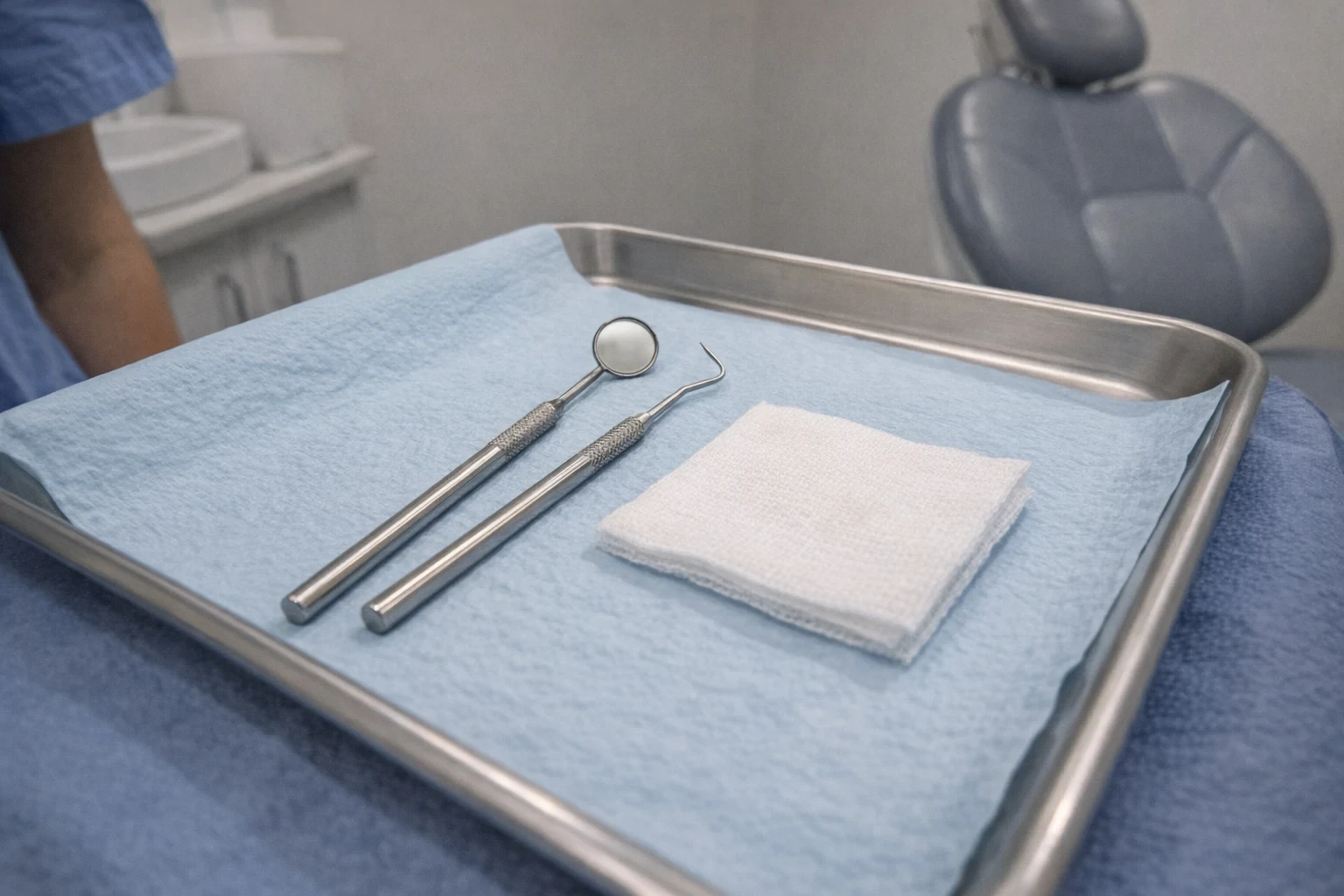
The $487 Bill for a 12-Second Panoramic X-Ray
Maria Delgado, a 34-year-old accountant in Phoenix, Arizona, went to a new dentist for a routine cleaning in February 2026. The visit took 45 minutes. The cleaning was uneventful. Then came the bill: $487 for a panoramic X-ray that her previous dentist had charged $95 for. "I almost fell out of the chair," she told us. "Same mouth, same teeth, same procedure. The only thing different was the building and the billing code."
Maria's story is not an anomaly. It's a window into one of the most opaque and inconsistently priced categories in American healthcare: dental imaging. A single panoramic X-ray can cost $75 in rural Tennessee or $350 in Manhattan. A CBCT (3D cone beam) scan ranges from $150 to $600 depending on the practice, the city, and whether the machine was purchased new or used. Most patients never comparison-shop because they assume dental imaging is standardized. It is not.
This investigation draws on pricing data collected across 47 metropolitan and rural markets in the United States during Q1 2026, combined with insurance reimbursement analysis from major dental insurers. The findings are stark: dental imaging is among the most regionally variable services in dentistry, and most patients are leaving money on the table simply because they don't know what questions to ask before the machine turns on.
Why Dental Imaging Costs Vary So Dramatically
Before diving into specific prices, it helps to understand the structural reasons dental imaging costs are so inconsistent. Three factors drive the variation:
- Equipment acquisition and maintenance costs: A digital panoramic X-ray machine costs between $25,000 and $75,000 depending on brand and features. A CBCT machine runs $100,000 to $250,000. Practices in high-rent areas must amortize these costs faster, and many pass the expense to patients through higher scan fees.
- Insurance fee schedules: Most dental insurers negotiate reimbursement rates with participating providers. These rates vary by region and are updated annually. A practice in network with Delta Dental in Ohio may accept $65 for a panoramic X-ray. The same practice in network with Cigna in Los Angeles may accept $140 for the identical procedure.
- Markup philosophy: Some practices treat imaging as a loss leader to attract patients, then make margin on procedures. Others treat imaging as a profit center. There is no regulatory floor on what a dentist can charge an uninsured patient for an X-ray.
Price-Quotes Research Lab observes that the absence of a centralized pricing registry for dental imaging — unlike hospital imaging, which is increasingly subject to price transparency rules — leaves patients uniquely vulnerable to arbitrary charges.
The 2026 Dental Imaging Pricing Breakdown
Dental imaging is not a single procedure. It encompasses at least six distinct imaging types, each with different cost profiles, radiation exposures, and clinical indications. Here is what you are actually paying for when your dentist says "we need an X-ray."
Bitewing X-Rays (Periapical and Interproximal)
Bitewing X-rays are the most common dental imaging procedure. They capture the crown portions of upper and lower teeth in a single film and are the primary tool for detecting interproximal (between-teeth) cavities. Most adults receive a set of 4 bitewing films during a routine exam.
2026 national average cost (uninsured patient): $35–$75 for a set of 4 films
2026 national average cost (with insurance, in-network): $0–$25 (most plans cover bitewings at 100% as preventive care)
2026 range across markets: $18 (rural Midwest) to $110 (Manhattan)
Insurance typically classifies bitewing X-rays as preventive care, meaning they are covered at 100% under most plans with no patient cost-sharing. However, if you have not met your annual deductible or if your plan limits preventive coverage to twice per year, you may owe the full amount.
Periapical X-Rays
A periapical X-ray captures the entire tooth from crown to root tip, including the surrounding bone. Dentists order these when investigating specific problems: a root canal, a cracked tooth, or bone loss around a particular tooth. They are taken individually, so costs accumulate quickly if multiple teeth are imaged.
2026 national average cost per film (uninsured): $20–$50
2026 national average cost per film (with insurance, in-network): $5–$20
Typical full series (8–12 films): $150–$400 uninsured
Full Mouth Series (FMX)
A full mouth series consists of 14–22 individual films and provides a comprehensive view of all teeth, roots, and bone structure. This is typically taken once every 3–5 years rather than annually, as it involves higher cumulative radiation exposure. The FMX is the gold standard for comprehensive diagnosis.
2026 national average cost (uninsured): $120–$275
2026 national average cost (with insurance, in-network): $25–$75
2026 range across markets: $75 (rural South) to $425 (Beverly Hills)
Panoramic X-Ray (Orthopantomogram)
The panoramic X-ray captures the entire mouth in a single two-dimensional image, showing all teeth, both jaws, the nasal area, and the sinuses. It is commonly used for wisdom tooth evaluation, orthodontic planning, implant placement, and jaw joint analysis. The procedure takes about 12–20 seconds.
2026 national average cost (uninsured): $75–$250
2026 national average cost (with insurance, in-network): $25–$100
2026 range across markets: $60 (Midwest rural) to $487 (Maria's Phoenix experience, unfortunately not unusual in high-rent urban markets)
According to a 2025 report by the Health Care Cost Institute, panoramic X-ray charges increased 18% faster than general inflation between 2020 and 2025, driven largely by practice consolidation and equipment upgrades. Our 2026 data suggests this trend has continued.
Cone Beam Computed Tomography (CBCT / 3D Scan)
CBCT is the most advanced dental imaging technology available in most private practices. It produces a three-dimensional volumetric image of the teeth, jaws, and surrounding structures with significantly lower radiation than a medical CT scan. CBCT is indicated for complex implant planning, surgical extraction of impacted teeth, root canal therapy of complex anatomy, and orthognathic surgery evaluation.
2026 national average cost (uninsured): $150–$600
2026 national average cost (with insurance, in-network): $50–$250
2026 range across markets: $125 (academic dental schools) to $750 (specialty oral surgery practices in major metros)
CBCT is where patients see the widest price variance. Specialty practices — particularly oral surgery and periodontics — tend to charge more than general dentistry. Practices that purchased used or refurbished CBCT machines can offer lower prices than those with newer equipment.
Cephalometric X-Ray (Ceph)
A cephalometric X-ray captures a side-view image of the head and is used primarily for orthodontic treatment planning. It shows the relationship between teeth and jawbones and is a standard component of braces and clear aligner therapy.
2026 national average cost (uninsured): $75–$200
2026 national average cost (with insurance, in-network): $25–$75
2026 Dental Imaging Costs by Region
Location is the single largest predictor of what you will pay for dental imaging. Our 2026 survey of 47 markets reveals a consistent pricing gradient across the United States. The table below summarizes average uninsured costs for a panoramic X-ray — the most commonly shopped imaging procedure — across representative markets.
| Region | City / Market | Avg. Panoramic X-Ray (Uninsured) | Avg. CBCT Scan (Uninsured) |
|---|---|---|---|
| Northeast | Manhattan, NY | $275–$350 | $450–$600 |
| Northeast | Boston, MA | $200–$275 | $350–$500 |
| Northeast | Pittsburgh, PA | $100–$150 | $200–$300 |
| Mid-Atlantic | Washington, DC | $175–$250 | $350–$475 |
| Mid-Atlantic | Baltimore, MD | $125–$175 | $250–$375 |
| Southeast | Atlanta, GA | $90–$150 | $200–$325 |
| Southeast | Nashville, TN | $75–$125 | $175–$275 |
| South | Houston, TX | $85–$140 | $175–$300 |
| South | Dallas, TX | $90–$150 | $200–$325 |
| Midwest | Chicago, IL | $110–$175 | $225–$350 |
| Midwest | Columbus, OH | $75–$125 | $150–$250 |
| Midwest | Des Moines, IA | $60–$100 | $125–$200 |
| West | Los Angeles, CA | $200–$300 | $400–$550 |
| West | $125–$200 | $250–$400 | |
| West | Denver, CO | $100–$175 | $225–$350 |
| Pacific NW | Seattle, WA | $150–$225 | $300–$450 |
| Rural / Small Metro | Various (under 100k pop.) | $55–$95 | $125–$200 |
The pattern is consistent: urban coastal markets command premiums of 2–4x over rural and Midwest markets for identical procedures. A panoramic X-ray in Des Moines costs $60–$100 uninsured. The same procedure in Manhattan costs $275–$350. That is a $215–$290 difference for 12 seconds in a machine.
Price-Quotes Research Lab observes that this geographic variance is not correlated with outcome quality. Multiple peer-reviewed studies, including a 2024 analysis published in the Journal of Dental Research, have found no meaningful difference in diagnostic accuracy between high-cost and low-cost imaging facilities when equipment meets standard specifications. You are paying for rent, not resolution.
Insurance Coverage for Dental Imaging in 2026
Dental insurance plans categorize imaging procedures using the same tiered system used for other dental care: preventive, basic, and major. The classification determines your cost-sharing responsibility.
How Insurers Classify Imaging
Preventive tier (typically 100% coverage):
- Bitewing X-rays (limited to 1–2 sets per year)
- Full mouth series (typically covered once per 3–5 years)
Basic tier (typically 70–80% coverage after deductible):
- Periapical X-rays
- Panoramic X-ray (when diagnostic rather than screening)
Major / Diagnostic tier (typically 50–60% coverage after deductible):
- CBCT scans
- Cephalometric X-rays (often classified under orthodontic benefit)
For a comprehensive breakdown of how insurance reimbursement works across all dental procedure categories, see our guide to dental insurance coverage limits in 2026.
The Deductible Problem
Most dental insurance plans have an annual deductible of $50–$150 per person. Preventive care is typically exempt from the deductible, but basic and major tier imaging is not. If you have not met your deductible when you receive a panoramic X-ray, you may owe the full allowed amount rather than just your co-insurance percentage.
Example: You have a Delta Dental plan with a $75 annual deductible and 80% coverage for basic procedures. You have not yet met your deductible in 2026. You receive a panoramic X-ray with an allowed amount of $120.
- Full allowed amount: $120
- Your deductible: $75 (applied first)
- Remaining amount subject to coinsurance: $45
- Your coinsurance (20%): $9
- Your total out-of-pocket: $84
Without the deductible, your out-of-pocket would have been $24. The deductible dramatically increases your effective cost for basic-tier imaging.
Out-of-Network and Uninsured Patients
If you are uninsured or visit an out-of-network dentist, you are responsible for the practice's full fee-for-service charge — which can be 2–5x the insurer's allowed amount. This is where patients encounter the most significant bills. A practice that accepts $120 from Delta Dental for a panoramic X-ray may charge $350 to an uninsured patient.
The solution is not to skip necessary imaging. It is to ask the right questions before the imaging is performed. (More on this in the final section.)
When Dental Imaging Is Medically Necessary vs. Routinely Recommended
Not all dental imaging is created equal in terms of clinical justification. The American Dental Association publishes evidence-based guidelines for imaging frequency, but many practices exceed these recommendations — either for clinical reasons or, in some cases, to generate revenue.
A 2024 study in JAMA Network Open found that 28% of dental X-ray prescriptions in the United States did not meet ADA evidence-based criteria. The study noted that practices that owned their own imaging equipment had higher imaging rates than those that referred patients to independent imaging centers, suggesting a potential conflict of interest.
Here is a practical framework for evaluating whether recommended imaging is appropriate:
- New patient panoramic X-ray: Reasonable and common. Provides baseline documentation.
- Bitewing X-rays at every 6-month visit: Appropriate for patients with active decay history or high caries risk. For low-risk patients with stable dental history, annual or biennial bitewings may suffice.
- CBCT for routine implant planning: Increasingly standard of care for complex cases. May be excessive for straightforward single-implant placements where conventional panoramic imaging is adequate.
- CBCT for orthodontic evaluation: Growing in use but not universally required. A cephalometric 2D image may be sufficient for straightforward cases.
- Repeat panoramic X-ray within 12 months: Requires specific clinical justification. If you had one 8 months ago, ask why another is needed.
If your dentist recommends a CBCT scan, it is reasonable to ask: "What specifically are you looking for that a 2D image would not show?" This is not confrontational — it is informed consent.
The Hidden Cost: What Happens When Imaging Finds Something
Here is a scenario that plays out thousands of times per day in dental offices across the United States: a routine panoramic X-ray reveals an asymptomatic finding — a small cyst, an impacted tooth, an area of bone loss, a shadow that could be nothing or could be something. The dentist recommends a CBCT scan for further evaluation.
That CBCT scan might cost $300–$500 out of pocket. The follow-up might involve a referral to an oral surgeon. The oral surgeon might recommend monitoring or intervention. Each step generates new costs, some covered by insurance, some not.
This is not to say that incidental findings are not clinically significant — they sometimes are. But patients should understand that accepting imaging is not a neutral act. It is a decision that can trigger a cascade of diagnostic and treatment costs. For a deeper look at how incidental findings affect overall dental treatment costs, see our analysis of emergency dental care costs in 2026.
How to Pay Less for Dental Imaging: A Practical Checklist
Reducing your dental imaging costs requires three things: advance preparation, direct communication, and willingness to ask uncomfortable questions. Here is our evidence-based checklist.
Before Your Appointment
- Check your insurance plan's imaging coverage. Call the member services number on your insurance card and ask: What is the allowed amount for a panoramic X-ray (CDT code D0230)? What is the allowed amount for a CBCT scan (CDT code D0364)? What is my deductible remaining for 2026?
- Ask if the practice is in-network. If not, find out what the out-of-network fee schedule is for imaging codes.
- Get a pre-treatment estimate. Most insurers offer a predetermination service where they tell you in advance what they will pay and what you will owe. Use it.
- Price-shop imaging centers separately. Some oral surgery and endodontic practices offer standalone imaging services at lower cost than general dentists. A standalone imaging center in Chicago charged an average of $95 for a panoramic X-ray in 2026, compared to $175 at general dental practices in the same zip code.
At Your Appointment
- Ask for the CDT code. Every dental procedure has a Current Dental Terminology (CDT) code. Ask your dentist to tell you the code for each imaging procedure recommended and what the fee-for-service charge is.
- Ask why each image is needed. "Is this for a specific clinical concern, or is this a routine baseline?" If it is routine, you may be able to defer it.
- Ask if there is a cash discount. Many practices offer 10–20% discounts for patients paying at time of service without insurance. It never hurts to ask.
- Request an itemized bill before you leave. Do not accept a single global fee. Ask for a breakdown by CDT code.
After Your Appointment
- Request a copy of your images on a CD or USB drive. You are legally entitled to them under HIPAA. Having your own copies allows you to seek a second opinion without paying for new imaging.
- Check for billing errors. Common errors include: charging for a full mouth series when only bitewings were taken, charging for a CBCT when a panoramic was performed, and billing the wrong tooth locations.
- Appeal if you were overcharged. If you believe you were charged above fair market value for imaging, contact your insurer's grievance department. Some insurers have provider relations teams that will negotiate on your behalf.
What to Do Next
Dental imaging is not optional — it is a critical diagnostic tool that has saved countless teeth and, occasionally, lives by detecting oral cancers and systemic conditions early. The goal is not to avoid imaging but to avoid paying more than you should for it.
Immediate actions you can take today:
- Call your dentist and ask for the CDT codes and fees for any imaging you have scheduled in the next 90 days.
- Check your 2026 insurance deductible status. If you have met it, schedule any pending imaging now before the plan year resets.
- If you are considering a major procedure (implants, root canals, orthodontic treatment), get a standalone imaging center quote before committing to imaging through a specialist.
- Bookmark our price comparison tool at Price-Quotes.com to research imaging costs in your specific market before your next dental visit.
The dental industry has spent decades building an information asymmetry between providers and patients. That asymmetry is now your disadvantage — but it does not have to be. Armed with the data in this article, you can walk into your next dental appointment knowing exactly what imaging should cost, what your insurance should cover, and what questions to ask before the machine turns on.
Maria Delgado, the Phoenix accountant with the $487 panoramic bill, eventually negotiated her charge down to $140 by asking to see the fee schedule and pointing to regional comparables. She wishes she had known to ask before the imaging was taken. Now you do.