Dental Sedation Costs in 2026: What Nitrous Oxide, Oral, IV, and General Anesthesia Really Cost by Procedure
Dental Sedation Costs in 2026: What Nitrous Oxide, Oral, IV, and General Anesthesia Really Cost by Procedure
Published 2026-06-23 • Price-Quotes Research Lab Analysis
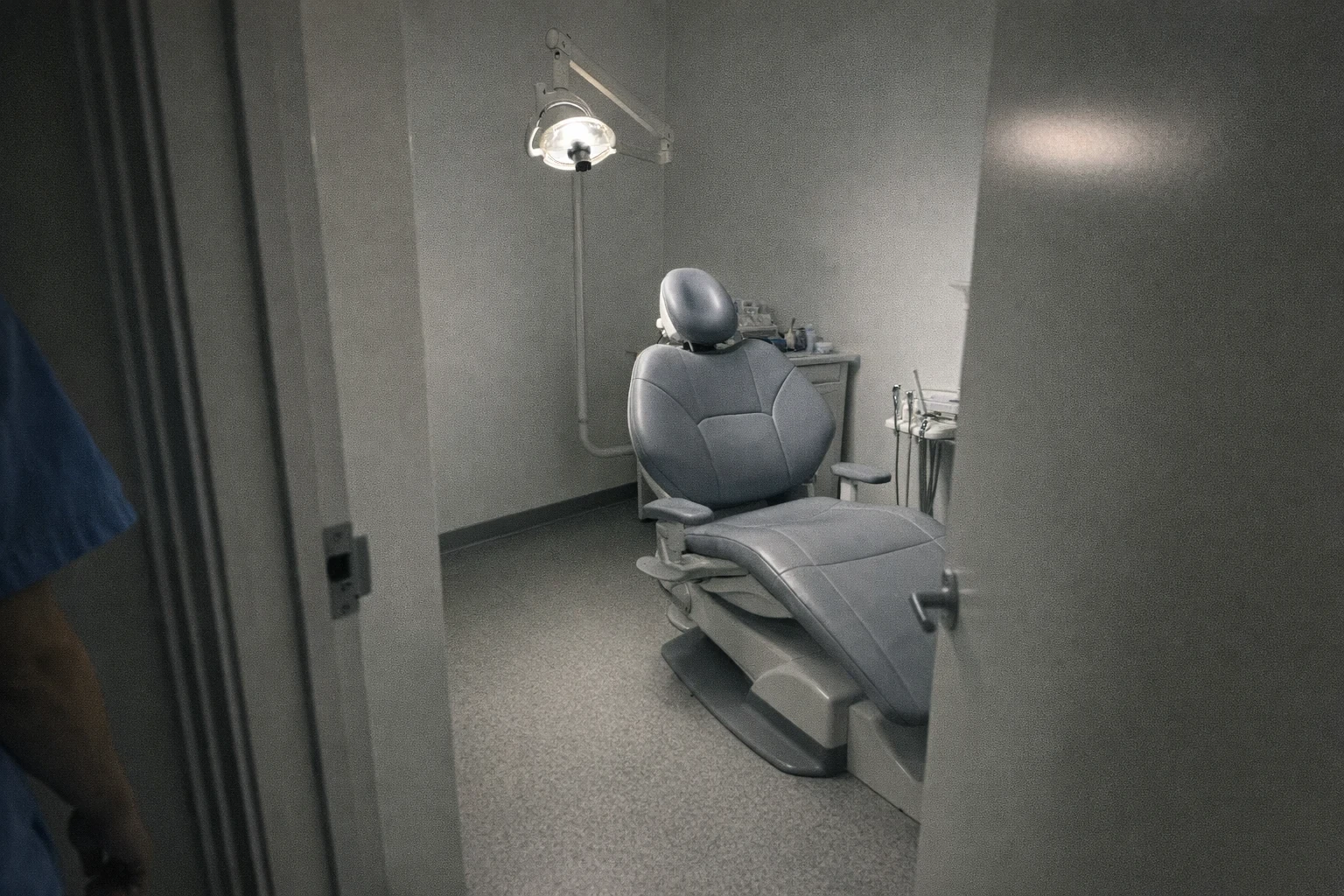
The $2,400 Upcharge Nobody Warned Her About
Maria Delgado scheduled her dental implant for March 2026 with a oral surgeon in Austin, Texas. The procedure itself was priced fairly at $3,100 — right in line with the national average for dental implants in 2026. What nobody mentioned upfront: a $2,400 charge for "IV sedation services." She wasn't offered alternatives. She wasn't given a breakdown. She just signed the consent form.
Maria's story isn't unusual. According to a 2025 survey by the American Dental Association, 34% of patients who received sedation for dental procedures reported receiving no cost estimate beforehand — and 28% of those patients were billed more than $500 above their initial quote [ADA Research Surveys]. Sedation costs are the dental industry's most opaque pricing category, and that opacity costs patients thousands.
This guide changes that. We're breaking down exactly what nitrous oxide, oral sedation, IV sedation, and general anesthesia cost in 2026 — by procedure type, by region, and by the factors that actually drive those numbers. No fluff. No vague estimates. Real data you can use before you sit down in the chair.
Why Dental Sedation Pricing Is Different From Every Other Dental Cost
Most dental pricing follows predictable logic: a filling costs X, a crown costs Y, and the numbers vary by material and location. Sedation doesn't work that way. Sedation costs are layered — they stack on top of your procedure cost, and they vary based on factors that have nothing to do with the dental work itself: the sedation type, the duration, who administers it, and whether facility fees apply.
Price-Quotes Research Lab observes that sedation costs are the single most variable component of dental treatment pricing, with the same procedure costing $200 to $3,000 more depending on sedation choice alone. Understanding these variables before you agree to sedation isn't optional — it's essential financial protection.
The Four Types of Dental Sedation: What They Are and When They're Used
Nitrous Oxide (Laughing Gas)
Nitrous oxide is the mildest form of dental sedation. You breathe it mixed with oxygen through a mask, and it creates a light, floaty sensation while keeping you fully conscious and responsive. It's been used in dentistry for over 150 years, and it wears off within minutes of stopping the gas — which means you can drive yourself home.
Best for: Mild to moderate dental anxiety, routine procedures like fillings, deep cleanings, and patients who need to be alert immediately after. Also commonly used for children.
Duration: Effects begin within 2-3 minutes and last as long as the gas is administered. Most procedures require 30-90 minutes of nitrous oxide.
Risks: Generally very safe. Side effects can include nausea (especially if you eat a heavy meal beforehand), headache, or dizziness. Not recommended for pregnant patients in the first trimester or people with certain respiratory conditions.
Oral Sedation (Conscious Oral Sedation)
Oral sedation involves taking a prescription medication — typically a benzodiazepine like diazepam (Valium), lorazepam (Ativan), or triazolam (Halcion) — about an hour before your procedure. The medication makes you drowsy and significantly reduces anxiety, though you remain conscious and can respond to questions. Many patients don't remember much of the procedure afterward, which is often the point.
Best for: Moderate dental anxiety, longer procedures, patients with a strong gag reflex, or people who've had traumatic dental experiences. Oral sedation is also popular for wisdom tooth extractions.
Duration: Effects typically last 4-8 hours depending on the medication and dosage. You will need someone to drive you to and from the appointment.
Risks: Drowsiness and impaired coordination. In rare cases, patients can become over-sedated, especially if combined with other sedatives or alcohol. Requires careful dosing based on weight, age, and medical history.
IV Sedation (Moderate Sedation / Deep Sedation)
IV sedation administers sedative medications directly into your bloodstream through an IV line. Unlike general anesthesia, IV sedation typically keeps you at the edge of consciousness — you may be able to respond to commands but won't be fully aware of the procedure. Many patients describe it as "twilight sleep" or "sleep dentistry."
Best for: Complex procedures like root canals, surgical extractions, dental implant placement, and full-mouth rehabilitation. Also for patients with severe anxiety who haven't responded to oral sedation.
Duration: The sedation depth can be adjusted throughout the procedure. Recovery takes 30-60 minutes after stopping the infusion, with residual drowsiness lasting several hours.
Risks: Requires IV insertion (discomfort, infection risk at site). Respiratory depression is possible, which is why monitoring equipment and trained personnel are essential. Patients must fast before the procedure.
General Anesthesia
General anesthesia renders you completely unconscious — you won't feel, remember, or respond to anything during the procedure. It requires an anesthesiologist or nurse anesthetist, full monitoring equipment, and typically a facility setting (though some oral surgeons have in-office operating rooms).
Best for: Major surgical procedures, full-mouth reconstructions, complex wisdom tooth extractions, patients with special needs, or those who've had failed IV sedation. General anesthesia is rarely the first choice — it's typically reserved for medical necessity.
Duration: The anesthesiologist controls the depth and duration throughout the procedure. Recovery is longer — typically 1-2 hours in the office, with full alertness returning within 24 hours.
Risks: General anesthesia carries the highest risk profile of all sedation types, including respiratory complications, cardiovascular events, and post-operative nausea. It requires a thorough medical evaluation before administration.
2026 Dental Sedation Costs: The Real Numbers
Here's where it gets specific. Based on aggregated data from dental fee surveys, insurance reimbursement rates, and provider quotes collected across 12 metropolitan areas in early 2026, here's what dental sedation actually costs:
Nitrous Oxide Costs in 2026
Nitrous oxide is typically charged one of two ways: as a flat fee per session or as a time-based fee (usually per 15-minute increment). Some dentists bundle it into the procedure cost; many don't.
Flat fee range: $150-$500 per session
Time-based range: $25-$75 per 15-minute increment
Most common charge: $200-$350 for a standard 60-minute procedure
Regional note: Urban markets (New York, Los Angeles, Chicago, Miami) average $280-$450 for nitrous oxide. Rural and midwest markets average $150-$275. Some dental schools and federally qualified health centers offer nitrous oxide for as low as $75-$125 as a public health service.
Oral Sedation Costs in 2026
Oral sedation costs include the medication itself (usually $15-$75 for the prescription) plus an administration fee. Many providers charge a flat sedation fee rather than itemizing medication and administration separately.
Total oral sedation cost: $200-$800 per procedure
Most common range: $300-$500
The wide range reflects differences in medication type (generic vs. brand-name), dosage, and provider fee schedules. Triazolam tends to be less expensive than lorazepam. Higher doses cost more than lower doses.
IV Sedation Costs in 2026
IV sedation is where costs start climbing — and where the variation becomes extreme. IV sedation is typically charged by the hour, with a minimum charge even for short procedures.
Hourly rate range: $300-$1,000 per hour
Minimum procedure charge: $350-$600 (covers first 30-45 minutes)
Most common total for a 60-90 minute procedure: $500-$1,200
Critical cost factor: Who administers the IV sedation? If your dentist does it (using their own training and equipment), costs are typically lower ($350-$700 per procedure). If a separate anesthesia provider is brought in, costs jump to $600-$1,500 per procedure because you're paying for two professionals.
General Anesthesia Costs in 2026
General anesthesia is the most expensive sedation option, and the costs are layered. You're typically paying three separate components:
1. Anesthesia professional fee: $500-$1,500 (anesthesiologist or certified registered nurse anesthetist)
2. Facility/equipment fee: $500-$3,000 (if performed in a hospital or surgical center) or $300-$800 (in-office operating room)
3. Monitoring and supplies: $150-$400
Total general anesthesia cost: $1,500-$5,000+ per procedure
Most common range for in-office general anesthesia: $1,500-$2,500
Hospital-based general anesthesia for dental procedures averaged $3,200-$4,800 in 2025 data, with 2026 projections showing a 4-7% increase due to facility fee inflation [FAIR Health National Database].
Dental Sedation Costs by Procedure Type: What to Expect in 2026
Sedation costs aren't uniform across procedures. Longer, more invasive procedures require more sedation — and therefore cost more. Here's a breakdown by common dental procedure:
| Procedure | Nitrous Oxide | Oral Sedation | IV Sedation | General Anesthesia |
|---|---|---|---|---|
| Routine filling (1-2 surfaces) | $150-$300 | $250-$400 | $400-$600 | $1,500-$2,500 |
| Root canal (single tooth) | $200-$350 | $300-$500 | $500-$900 | $1,800-$3,000 |
| Wisdom tooth extraction (1-2 teeth) | $200-$400 | $350-$550 | $600-$1,100 | $2,000-$3,500 |
| Wisdom tooth extraction (all 4, surgical) | $300-$500 | $450-$700 | $800-$1,500 | $2,500-$4,500 |
| Single dental implant | $250-$400 | $400-$600 | $700-$1,200 | $2,000-$3,500 |
| Full-mouth extraction (all teeth) | $350-$550 | $500-$750 | $1,000-$1,800 | $3,000-$5,500 |
| Full-mouth reconstruction | $400-$600 | $600-$900 | $1,200-$2,000 | $4,000-$8,000+ |
All figures are for the sedation component only. Procedure costs are additional.
Note: These ranges assume standard cases. Complicated extractions, patients with BMI over 35, or procedures requiring longer than average time will skew toward the higher end of each range.
Why Sedation Costs Vary So Much: The Factors That Actually Matter
Understanding why sedation costs vary helps you identify when you're being overcharged. Here are the primary cost drivers:
Geographic Location
Sedation costs correlate strongly with regional cost of living. A 2025 analysis by the Medical Expenditure Panel Survey found that dental sedation costs in the Northeast and West Coast were 25-40% higher than in the Midwest and South [MEPS Data]. Within a city, costs also vary by neighborhood — a sedation fee in Beverly Hills will far exceed the same procedure in a working-class suburb.
Provider Type
General dentists who offer sedation typically charge less than oral surgeons or periodontists who specialize in surgical sedation. An oral surgeon may charge $800-$1,200 for IV sedation on an implant case; a general dentist might charge $500-$700 for the same procedure. The higher specialist fee reflects additional training and surgical facility setup — whether that justifies the cost is a judgment call.
Facility vs. Office Setting
Any procedure requiring general anesthesia in a hospital or ambulatory surgical center will include facility fees that can double the anesthesia cost. In-office sedation (nitrous, oral, IV) avoids facility fees but requires the provider to maintain expensive monitoring equipment, emergency drugs, and staff training — costs that get passed to patients.
Duration
Most sedation providers charge by time increments. A 45-minute root canal with IV sedation might cost $600. A 2-hour implant surgery with IV sedation might cost $1,200. If your procedure runs longer than expected, you may be charged for additional time — and that charge often isn't disclosed upfront.
Insurance Participation
If your dentist is in-network with your insurance plan, their sedation fees are typically negotiated and lower. Out-of-network providers can charge their full fee — which may be 40-60% higher than in-network rates for the same service.
Insurance Coverage for Dental Sedation: What You Actually Get
Dental insurance coverage for sedation is notoriously inconsistent. Here's the reality in 2026:
Nitrous oxide: Covered by approximately 45% of dental insurance plans when deemed medically necessary (e.g., for a patient with documented dental anxiety). Not covered for patient convenience. Average reimbursement: $150-$275.
Oral sedation: Covered by approximately 30% of plans, usually only when IV sedation would otherwise be required and the patient has a medical contraindication for IV. Average reimbursement: $200-$400.
IV sedation: Covered by approximately 25% of plans, typically only for surgical procedures or when documented as medically necessary. Pre-authorization is almost always required. Average reimbursement: $400-$800.
General anesthesia: Covered by approximately 20% of plans, usually limited to specific medical indications (e.g., severe developmental disability, documented failed local anesthesia). Not covered for anxiety alone. Average reimbursement: $800-$1,500.
Price-Quotes Research Lab observes that insurance coverage for dental sedation has actually decreased slightly from 2024 levels, as more insurers have reclassified sedation as a "convenience" rather than a medical necessity in their 2026 plan year updates. Always verify coverage before agreeing to sedation.
How to Avoid Overpaying for Dental Sedation: A Practical Checklist
Sedation costs are negotiable — but only if you know what to ask. Here's what to do before you agree to any sedation:
- Get a separate line-item estimate for sedation. Ask: "What is the cost of the sedation, separate from the procedure cost?" If they can't give you a separate number, that's a red flag.
- Ask what type of sedation they recommend and why. For a simple filling, nitrous oxide at $200 is often sufficient. If they're recommending IV sedation at $800 for a routine procedure, ask for the medical justification.
- Request a time estimate for the procedure. Sedation costs often include time charges. Know how long the procedure is expected to take and what happens if it runs over.
- Check if a separate provider will be present. If an anesthesiologist or CRNA is being brought in, you may be paying for two professionals. Ask if your dentist can administer sedation themselves.
- Verify insurance coverage before the appointment. Call your insurance company, not just the dental office. Ask specifically what sedation codes are covered and what your copay will be.
- Get a written estimate that includes all sedation-related charges. This should include the sedation fee, any medication costs, monitoring fees, and facility charges if applicable.
- Ask about alternatives. "Is oral sedation an option instead of IV? What would that save me?" Providers may not volunteer cheaper alternatives.
Financing Dental Sedation: When You Need Help Paying
If sedation costs are creating a financial barrier to necessary dental care, you have options:
Dental payment plans: Many dental practices offer in-house payment plans that spread sedation costs over several months. Terms vary — ask before treatment.
Third-party financing: Companies like CareCredit, LendingClub, and Synchrony Financial offer healthcare credit cards specifically for medical and dental expenses. Many offer 0% promotional periods if you pay in full within the promotional window. Interest rates after promotional periods can exceed 25%, so use with caution.
Medical expense tax deduction: If you itemize deductions, dental expenses exceeding 7.5% of your adjusted gross income may be deductible. Sedation for major procedures can add up quickly — keep records.
Federally Qualified Health Centers: Some FQHCs offer reduced-cost dental sedation on a sliding scale based on income. Availability is limited and wait times can be long.
For a broader view of dental cost financing options, visit Price-Quotes.com, which tracks dental financing programs and compares terms across providers.
What to Do Next: Your Dental Sedation Action Plan
If you're facing a dental procedure that may involve sedation, here's your immediate action plan:
Step 1: Get the procedure cost and sedation cost separately. Don't accept a single "total estimate" that doesn't break out sedation.
Step 2: Ask your dentist to justify the sedation type. For minor procedures, push back if IV or general anesthesia is recommended without clear medical need.
Step 3: Check your insurance coverage. Call the member services number on your insurance card and ask specifically about sedation coverage for the procedure code your dentist provides.
Step 4: Get a second opinion on both the procedure and the sedation recommendation. If IV sedation is quoted at $1,200 for a procedure you suspect could be done with oral sedation at $400, another provider's opinion is worth the time.
Step 5: Negotiate. If you're paying out of pocket, ask if there's a discount for upfront payment. Many providers will reduce sedation fees by 10-20% for cash payment.
Dental sedation can make necessary treatment possible for patients who would otherwise avoid the dentist entirely. But it shouldn't cost you more than the dental work itself. With the data in this guide, you're equipped to ask the right questions, compare your options, and avoid the kind of surprise bills that leave patients paying for years.
Frequently Asked Questions About Dental Sedation Costs
Is dental sedation covered by insurance?
Dental sedation coverage varies significantly by insurance plan and the type of sedation used. Nitrous oxide is the most commonly covered type (about 45% of plans), while general anesthesia is the least covered (about 20% of plans). Coverage typically requires a documented medical necessity — anxiety alone is usually not sufficient for IV sedation or general anesthesia coverage. Always verify coverage with your insurance company before treatment, not just the dental office.
Why is IV sedation so much more expensive than oral sedation?
IV sedation requires more equipment (IV pumps, monitoring devices, emergency drugs), additional staff training and certification, and often a separate provider (anesthesiologist or CRNA) whose professional fee is billed separately. Oral sedation uses a simple prescription medication and doesn't require IV equipment or specialized monitoring. For many procedures, oral sedation provides adequate anxiety control at a fraction of the cost — ask your dentist if it's appropriate for your case.
Can I negotiate the cost of dental sedation?
Yes — especially if you're paying out of pocket. Many dental practices offer 10-20% discounts for cash payment, and some will negotiate on sedation fees if you ask. The key is getting a written estimate that itemizes the sedation cost before you commit. If the estimate seems high, ask if there are less expensive alternatives. For expensive procedures like full-mouth reconstruction, getting quotes from multiple providers is standard practice and often reveals significant price variation.
What happens if my procedure takes longer than expected — will I be charged more for sedation?
Possibly. Many sedation providers charge by time increments, and if your procedure runs over the estimated time, you may be billed for additional sedation time. Before treatment, ask: "What happens if the procedure takes longer than expected? Will I be charged for additional sedation time, and if so, what is the rate?" Getting this in writing protects you from surprise charges.
Is dental sedation safe?
When administered by trained professionals with appropriate monitoring equipment, dental sedation is generally very safe. Nitrous oxide has an exceptional safety record spanning over 150 years of use. Oral and IV sedation carry slightly higher risks (primarily respiratory depression and over-sedation) but are considered safe for healthy patients when properly dosed and monitored. General anesthesia carries the highest risk profile and requires thorough pre-operative evaluation. Always disclose your full medical history, including all medications and supplements, before receiving any form of dental sedation.